What began with courageous stories of pain is becoming a journey of healing, resilience, renewed hope, and possibility for 30 vulnerable women in Mathare, Nairobi.
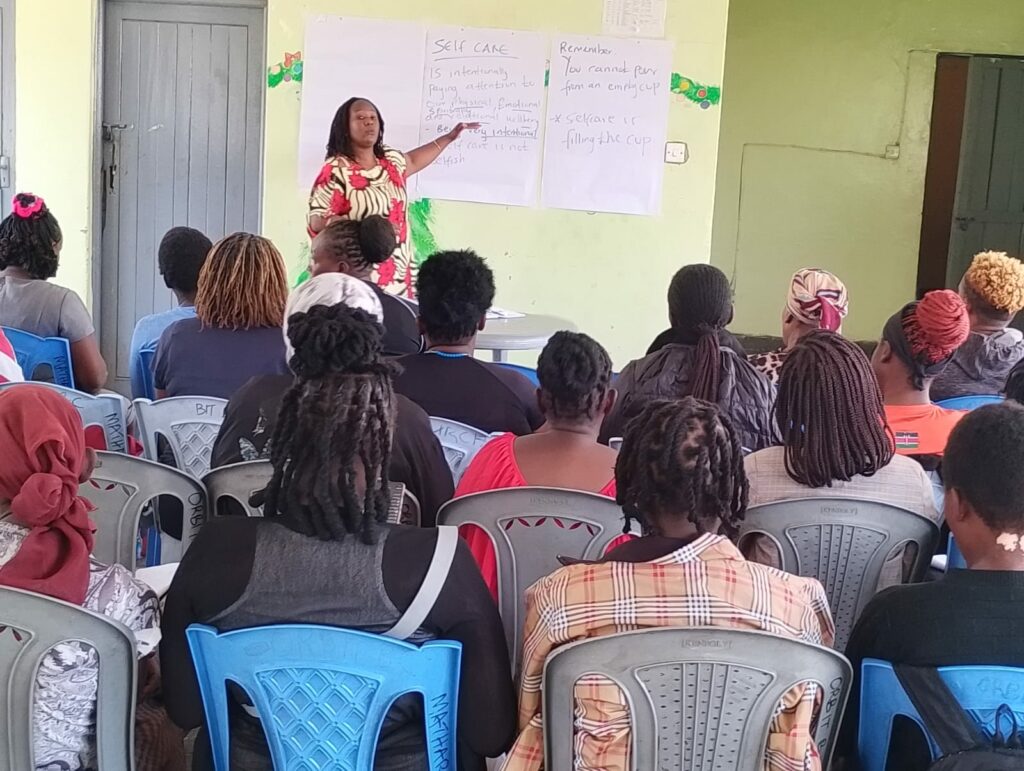
From September 28 to October 1, 2026, ALARM Kenya conducted a four-day follow-up training, “From Healing to Resilience: Building Strength, Hope and Capacity for the Future.” The training built on the Trauma Awareness and Healing Seminar held in July 2026, where women were given a safe and supportive environment to acknowledge painful experiences, understand trauma, and begin their journey toward healing.
The September follow-up recognized that healing is not a one-time event. It requires continued accompaniment, encouragement, community, and practical opportunities for restoration. The training therefore created space for the women to reflect on their progress, strengthen their resilience, nurture healthy relationships, deepen their spiritual foundations, and begin exploring pathways toward self-reliance and economic empowerment.
Seeds of Healing Are Beginning to Bear Fruit
One of the most encouraging parts of the training was hearing directly from the women about what had changed since the July seminar.
Participants described transformed mindsets, improved family relationships, greater peace, and renewed hope. Their stories demonstrated that the impact of trauma-healing support can extend beyond the training room, influencing families and relationships and opening new possibilities for the future.
For some women, healing meant releasing years of anger, bitterness, guilt, and painful memories. For others, it meant finding the courage to reconnect with family members, interact more freely with others, or begin seeing themselves not only through the lens of what they had experienced, but through the strength and possibilities that still remained within them.
A Journey of Forgiveness and Restoration
Among the women was Irene Ngina, 40, who had carried years of rejection and painful family experiences. Following the earlier trauma-awareness training, Irene reported feeling as though a heavy burden had been lifted from her shoulders. She forgave her mother, and unexpectedly, her mother reached out and apologized. Irene also shared that her daughter returned and asked for forgiveness.
Julia Akeyo, 36, had endured an abusive marriage and profound emotional distress. After sharing her story during the trauma-awareness seminar, she began understanding that she was not responsible for her husband’s decision to end his life. She has since been learning to forgive herself, reconnect with others, and relate differently with her children. Her children have noticed the change in her, and she describes herself as happier and grateful for the support she received through ALARM.
For Salma Samora Shayo, 49, healing involved releasing bitterness after years of rejection, painful accusations, and the loss of her husband and son. She shared that she had forgiven those who spread false rumors about her and had found greater peace after accepting her losses and placing her trust in God. She also received sponsorship for her daughter’s education, bringing renewed hope to her family.
Christine Nyokabi, 47, carried the effects of years of domestic violence and family pain. Through her healing journey, she learned to release anger and bitterness and has found greater peace after forgiving her former husband. She was also encouraged when her son, who had struggled with drugs and become distant, reached out to her and began doing better. She remains hopeful for his continued recovery.
These stories remind us that restoration can take many forms. Sometimes it begins with forgiveness. Sometimes with a changed mindset, a restored relationship, renewed hope, or simply the courage to believe that life can be different.
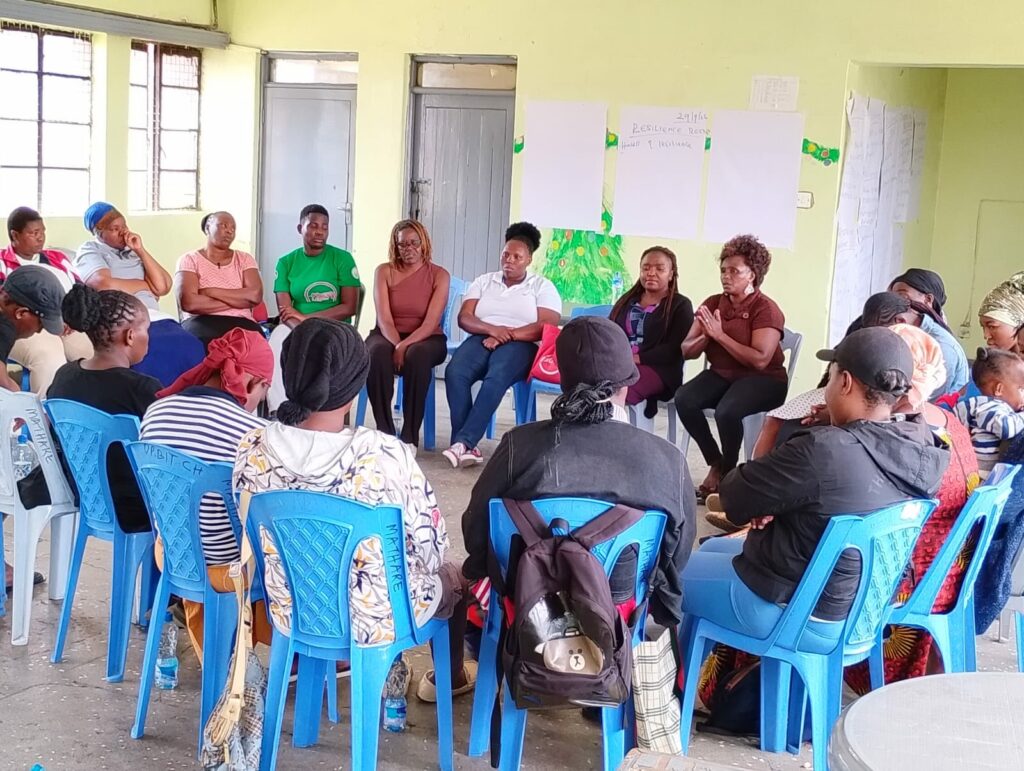
Building Resilience for the Future
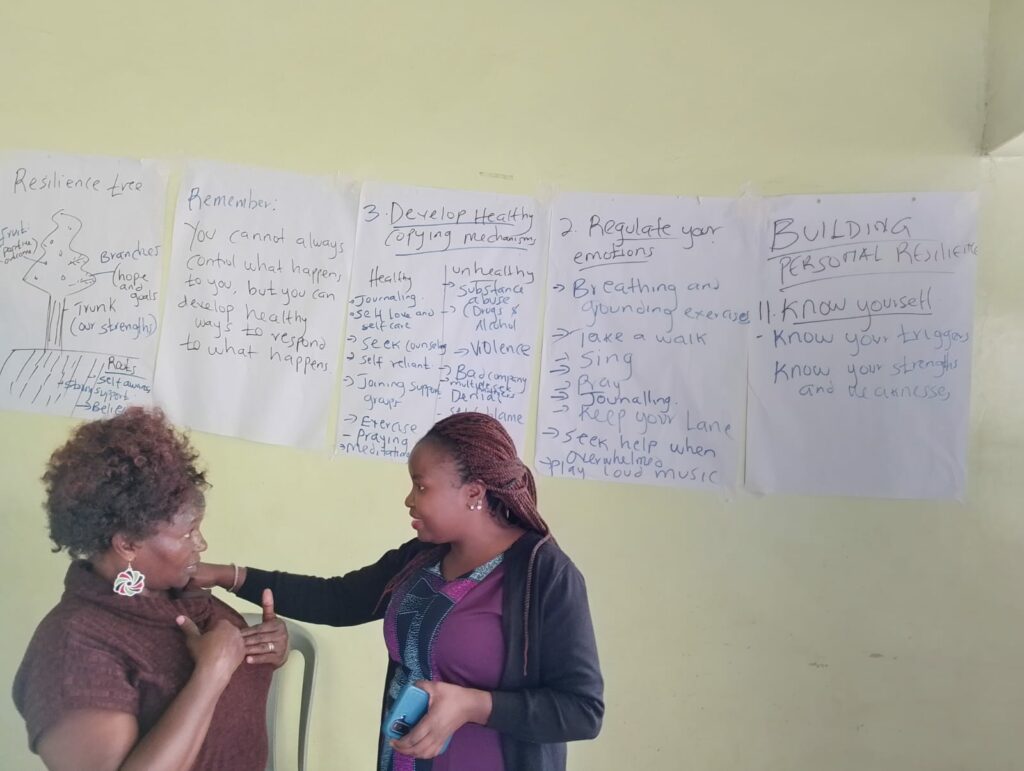
During the first two days, participants explored what resilience means and how it can be intentionally developed. Through the Resilience Tree exercise, they identified their sources of strength and support, recognized their personal strengths, and reflected on the hopes and aspirations they want to see grow.
The women also developed personal resilience plans, identifying practical steps they could take to strengthen their wellbeing and respond more effectively to future challenges. The training emphasized that resilience is not merely surviving adversity—it is developing the strength and capacity to continue rebuilding one’s life.
Participants further explored post-traumatic growth, community resilience, emotional resilience, healthy relationships, spiritual resilience, and the role of families, churches, friendships, and community networks in supporting recovery. Through faith, prayer, Scripture, hope, and God’s presence, the women were encouraged to draw strength for the difficult seasons of life.
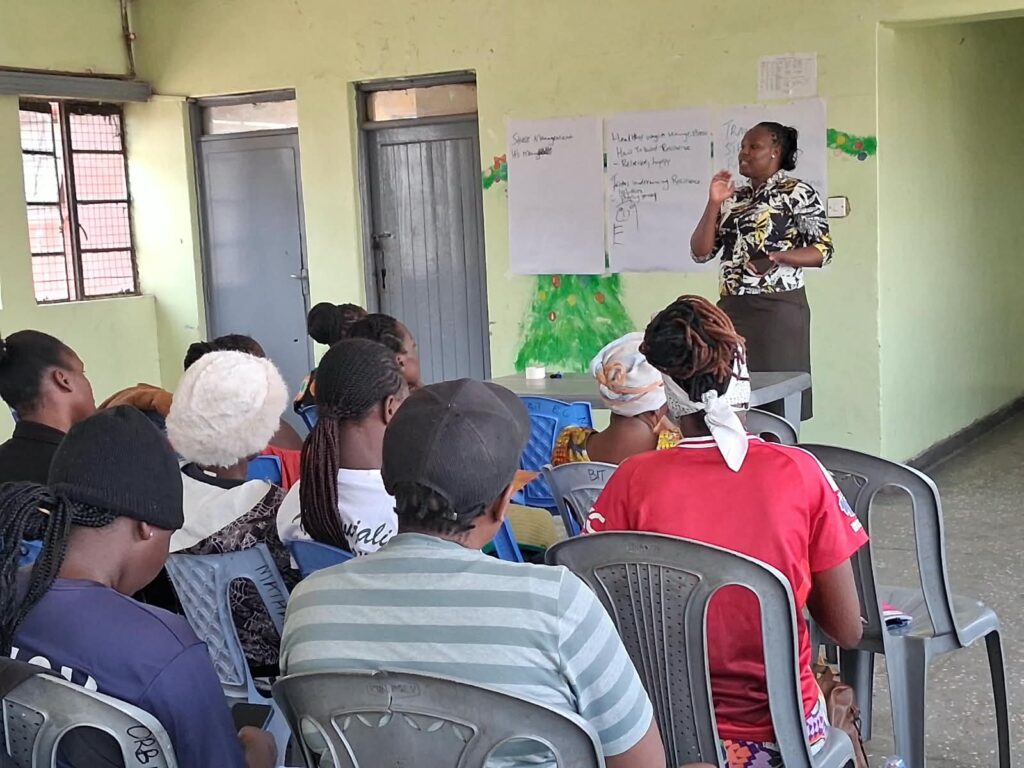
From Healing to Economic Empowerment
For ALARM Kenya, sustainable healing also means helping women rebuild lives marked by dignity, purpose, productivity, and economic security.
On the third day, the conversation shifted toward self-reliance and sustainable livelihoods. Participants reflected on their strengths, practical skills, business opportunities, ways to strengthen existing enterprises, and pathways toward greater economic independence. The training recognized that economic empowerment can contribute significantly to renewed confidence, dignity, and hope—especially for women carrying responsibility for their families.
The final day focused on individual assessment and profiling of all 30 participants. This helped ALARM Kenya understand the unique strengths, needs, businesses, skills, aspirations, and support requirements of each woman. Some participants already operate small businesses and need additional support to strengthen them, while others identified skills development, mentorship, coaching, or new livelihood opportunities as important next steps.
This needs-based approach will allow ALARM Kenya to move beyond a one-size-fits-all intervention and provide support that responds to each woman’s actual capacity and potential.
The Journey Continues
The September training is not the end of the journey. It is another important step.
Based on the women’s assessment and profiling, ALARM Kenya plans to continue with a next phase focused on business skills training, targeted business boosts, practical skills development, mentorship and coaching, market and partnership opportunities, and ongoing monitoring of transformation and success stories.
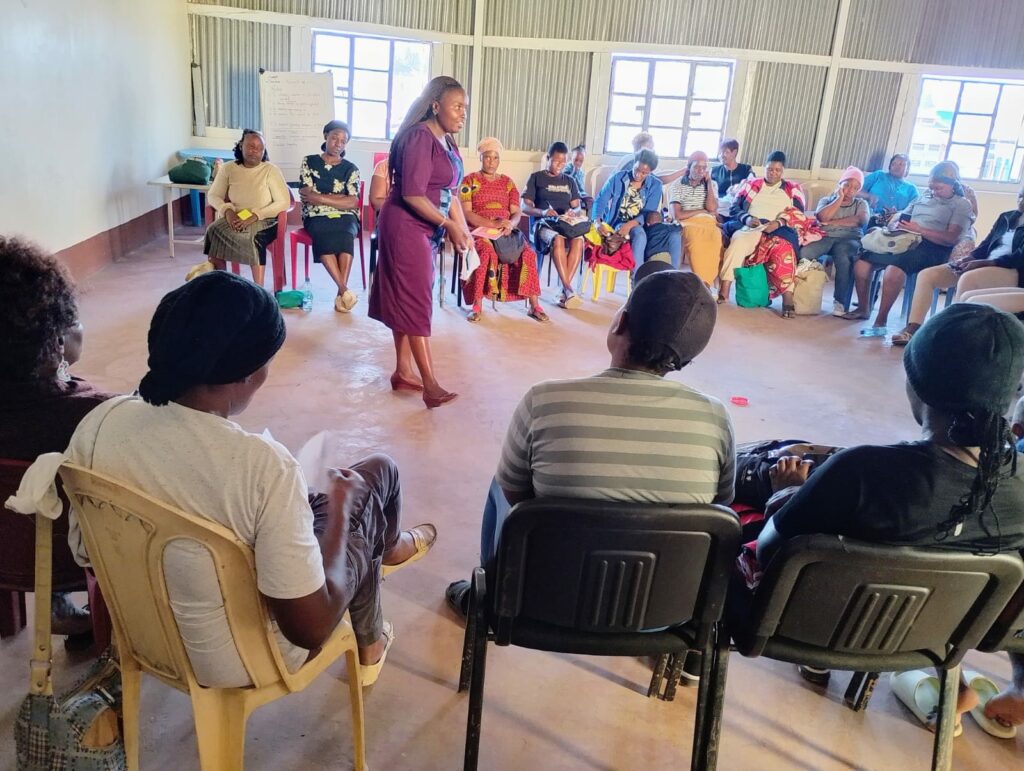
The goal is to help the women translate renewed hope and resilience into practical skills, sustainable livelihoods, self-reliance, and economic empowerment.
What began as a safe space to acknowledge pain is gradually becoming a pathway toward restored dignity and a more sustainable future.
At ALARM, we believe transformation extends beyond individuals. As women heal and grow in resilience, families can become healthier, relationships can be restored, and communities can become stronger.
This is the journey: from trauma to healing, from healing to resilience, from resilience to hope, from hope to self-reliance, and ultimately to sustainable empowerment.
We are deeply grateful to the partners whose generosity, trust, and commitment have made this journey possible. Together, we can continue creating spaces where healing takes root, resilience grows, and vulnerable women are equipped not simply to survive, but to rebuild their lives and envision a hopeful future.