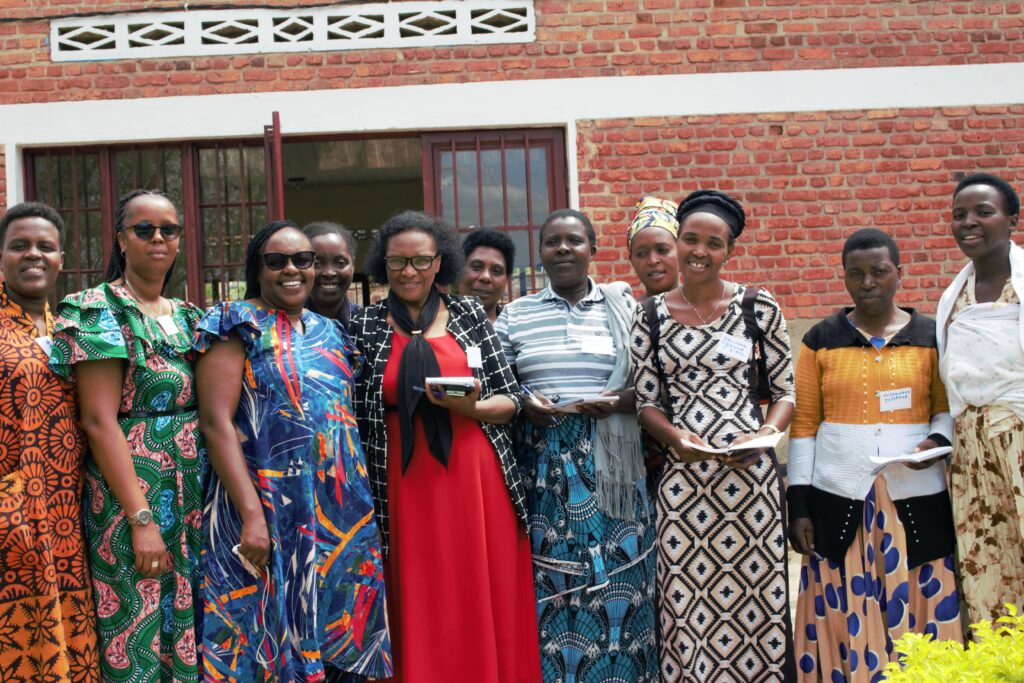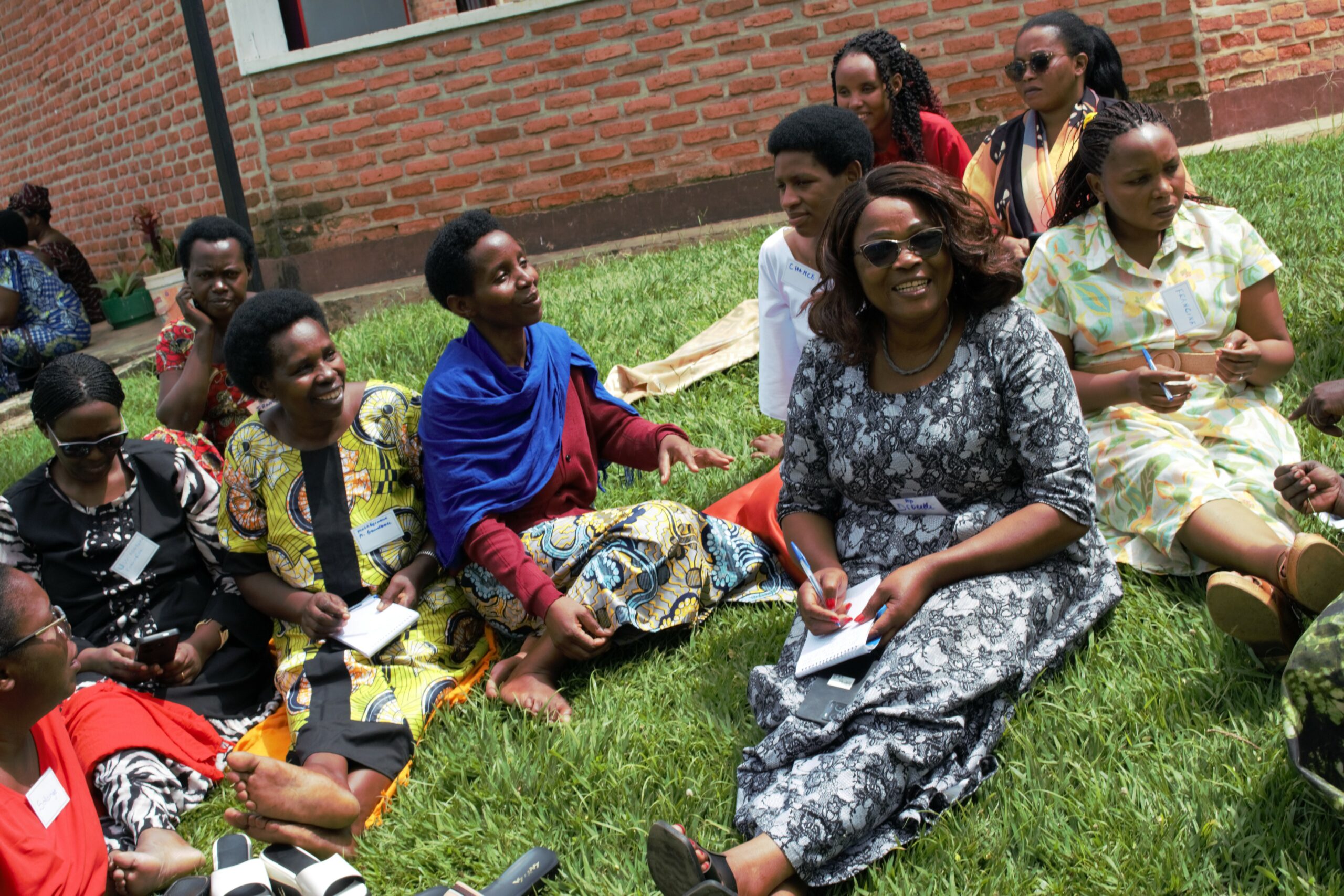
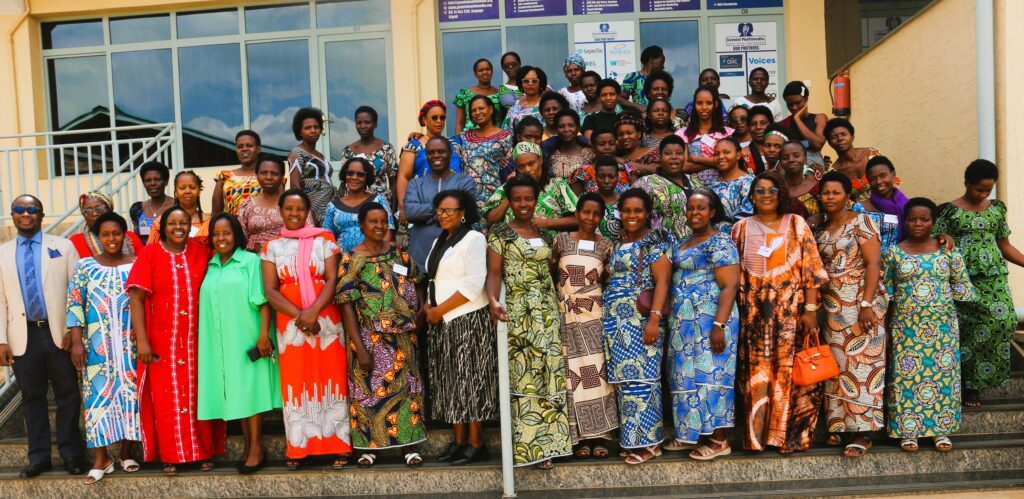
52 graduates of the Women Leadership Training Institute (WLTI) came together from 25–27 May 2026 at ALARM Business Center for an engaging training on Gender, Equality, Reconciliation, and Partnership (GERP). The three-day learning experience provided an opportunity for women leaders to deepen their understanding of gender issues and strengthen their capacity to advocate for equality and inclusion within their churches and communities.
Using participatory and adult-centered learning methods, the training encouraged open dialogue, reflection, and experience sharing among participants. Discussions focused on the importance of gender equality and equity, helping participants understand that while equality promotes equal rights and opportunities for all, equity recognizes different needs and circumstances and helps ensure that everyone can participate and benefit equally.
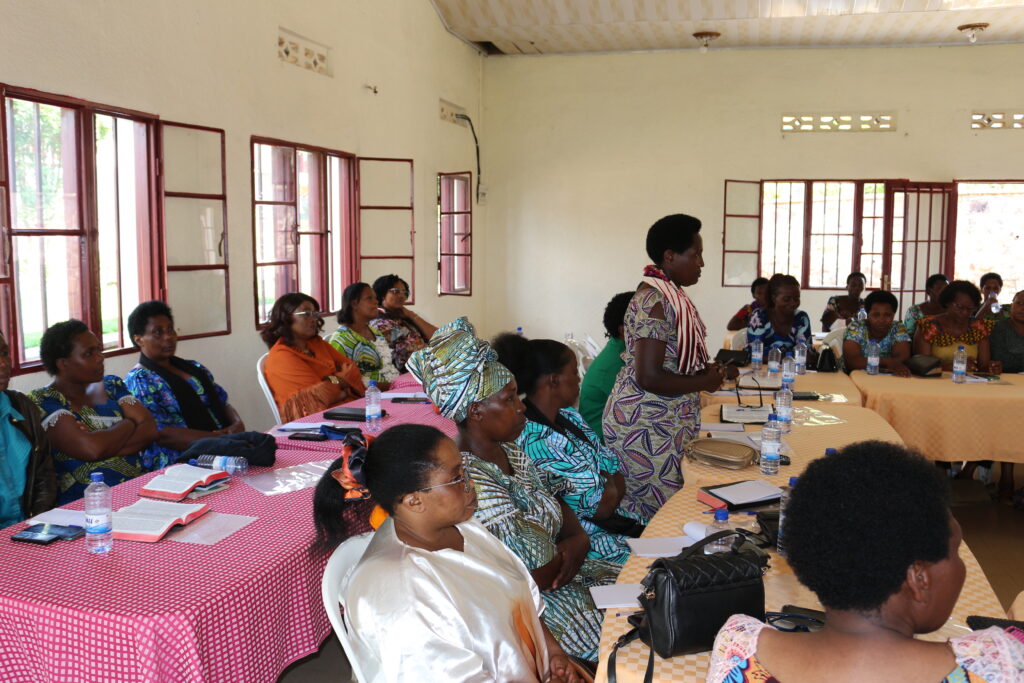
The sessions also explored the role of women in leadership and community life. Participants reflected on how cultural norms and stereotypes can continue to limit women’s participation and influence, despite the significant progress Rwanda has made in advancing women’s representation in education, governance, and decision-making structures. Through interactive discussions, participants reflected on how leaders can create inclusive environments where women and men work together, share responsibilities, and have equal opportunities to contribute.
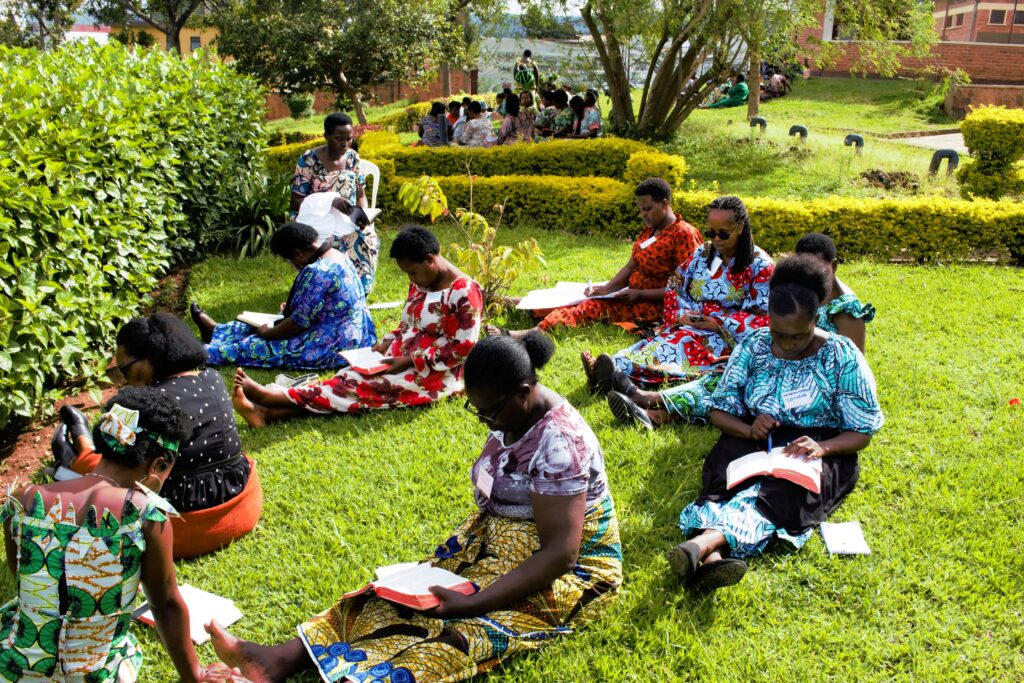
The sessions also provided an opportunity for participants to explore what the Bible teaches about the role of women and men in the Christian community. Through group discussions and reflections on Scripture, participants examined how faith can support gender equality, mutual respect, and inclusive leadership. They also discussed how cultural norms and stereotypes can sometimes influence church practices and limit women’s participation in leadership and decision-making.
A key highlight of the training was the conversation on gender mainstreaming, where participants learned how to ensure that the needs and perspectives of both women and men are considered throughout the planning and implementation of programs and projects. The discussions reinforced the importance of creating environments where everyone can contribute and benefit equally.
Participants also emphasized the need to extend similar training opportunities to young people. They noted that introducing youth to the principles of gender equality and equity at an early age would help nurture future leaders who value fairness, respect, and inclusion in their personal and professional lives.
At the close of the training, participants expressed a strong commitment to becoming advocates for gender equality. They pledged to raise awareness among women about their rights and opportunities, encourage greater participation in leadership, and contribute to building stronger and more inclusive communities.